
Touch
Bilbao (Spain)
¿De dónde viene tu apodo?
Where does your pseudonym come from?
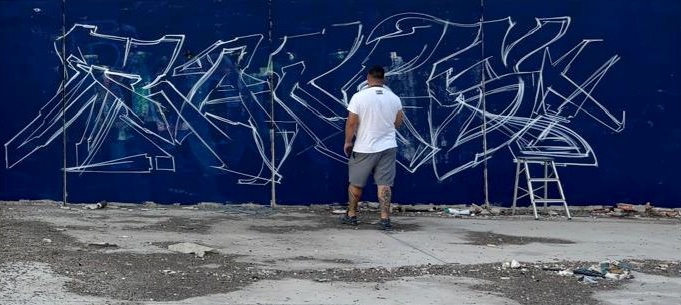
“Touch” nace de la idea de dejar huella. Siempre me gustó esa palabra, sencilla pero potente, con un significado directo y al mismo tiempo simbólico. Desde que empecé a escribir, sentí que cada trazo que dejaba era una forma de tocar el entorno, de modificarlo a mi manera. Además, gráficamente me daba mucho juego dentro del wild style.
«Touch» was born from the idea of leaving a mark. I’ve always liked that word, simple yet powerful, with a direct yet symbolic meaning. From the moment I started writing, I felt that every stroke I left was a way of touching the environment, of changing it in my own way. Plus, graphically, it gave me a lot of scope within the wild style.


¿Qué te motivó para empezar a pintar?
What motivated you to get started painting?
Empecé en 2001, en plena adolescencia, y lo que me motivó fueron las pintadas que veía en la calle.
Recuerdo especialmente las piezas de los H49 y los NG, que eran como explosiones de estilo en los muros. Pero si tengo que nombrar a alguien que me animó de verdad, fue Chok. Fue uno de los primeros escritores que me inspiró a coger un spray y lanzarme. Con el tiempo, he tenido la suerte de compartir muchos muros con Oner, compartimos visión, ritmo y ganas de llevar el estilo cada vez mas lejos.
También destacaría la diferencia inter generacional, y como muchos chavales que conocías desde pequeños, han evolucionado y quedas para pintar con ellos unos murales, y echar el día contándonos el salseo del graffiti.
I started in 2001, in my teens, and what motivated me was the graffiti I saw on the street.
I particularly remember the pieces by H49 and NG, which were like explosions of style on the walls. But if I have to name someone who truly encouraged me, it was Chok. He was one of the first writers who inspired me to pick up a spray can and go for it. Over time, I’ve been lucky enough to share many walls with Oner; we share a vision, a rhythm, and a desire to take the style further and further.
I’d also highlight the intergenerational difference, and like many kids you’ve known since you were little, they’ve evolved, and you get together to paint murals with them and spend the day telling each other about graffiti.


¿Qué es lo que más te gusta del graffiti y lo que menos?
What do you like most about graffiti and what do you like least?
Lo que más me gusta es la capacidad que tiene el graffiti de transformar espacios.
Desde la pandemia a día de hoy me gusta buscar sitios de difícil acceso, motivado por escritores como kurtis y honey que pintaban en sitios visualmente espectaculares, y como dicen si quieres peces te mojas el culo.pues empecé a buscar spots en bosques, ríos y sitios aun vírgenes a día de hoy, mis spots preferidos, van acompañados de botas de agua. Es una forma de vida.
Lo que menos… quizá ver cómo se pierde parte de esa autenticidad, como algunos solo buscan exposición rápida sin preocuparse por el estilo, el respeto o la historia que hay detrás de cada muro.
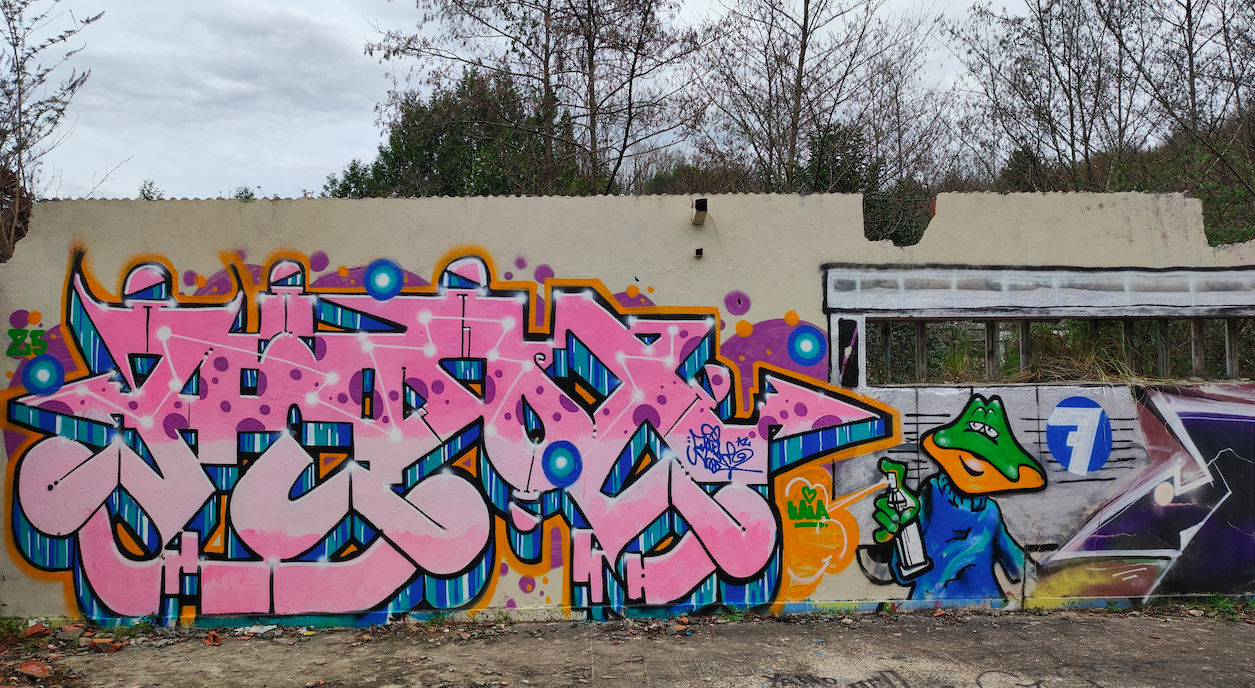
What I like most is graffiti’s ability to transform places.
Since the pandemic, I like to seek out hard-to-reach places, motivated by writers like Kurtis and Honey who painted in visually spectacular locations. As they say, if you want fish, you get your ass wet. So, I started looking for spots in forests, rivers, and still unspoiled places. My favorite spots are accompanied by rain boots. It’s a way of life.
What I dislike the most… perhaps seeing how some of that authenticity is lost, how some only seek quick exposure without worrying about style, respect, or the history behind each wall.


¿Qué piensas de la idea de publicar tus piezas con una entrevista en elrincondelasboquillas.com?
What do you think about the idea of us publishing your artworks on our web «elrincondelasboquillas.com»?
Me parece un honor. El Rincón de las Boquillas lleva años siendo un archivo vivo del graffiti global, y formar parte de eso es una forma de aportar mi visión y agradecer a todos los que me han influido. Es una buena forma de dejar constancia del trabajo y del camino recorrido.
I consider it an honor. El Rincón de las Boquillas has been a living archive of global graffiti for years, and being part of it is a way to contribute my vision and thank everyone who has influenced me. It’s a good way to record the work and the journey I’ve taken.


¿Te acuerdas de la primera pieza?
Do you remember the first piece?
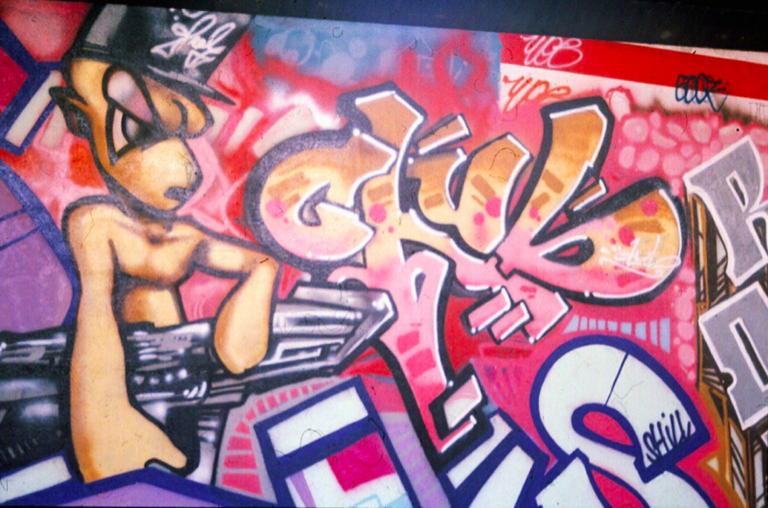
Sí, como si fuera ayer. Fue en una solar cerca de mi barrio una construcción de edificios a medio construir lo llamábamos ROMA por que estaba lleno de columnas, por ese spot han pasado muchos escritores. No tenía técnica ni materiales buenos, pero sí muchas ganas. Con el tiempo, mi estilo se ha centrado en el wild style, buscando estructuras más complejas y conexiones más limpias. Pero esa primera vez fue mágica, fue como encender una chispa. Recuerdo también con cariño todos esos lugares clave de aquella época: la tienda 48920 de graffiti, el trastero de Cristian donde pillábamos sprays, y sobre todo Zorrozaurre, que fue durante años el punto neurálgico del graffiti bilbaíno. Era nuestro campo de entrenamiento, un lugar libre, lleno de historia, que por desgracia está siendo destruido para convertirlo en un «Bilbao de postal», borrando su alma industrial y marginando todo lo que representaba.
Yes, as if it were yesterday. It was on a vacant lot near my neighborhood, a half-built building we called ROMA because it was full of columns. Many writers have passed through that spot. I didn’t have the right technique or materials, but I did have a lot of desire. Over time, my style has focused on wild style, seeking more complex structures and cleaner connections. But that first time was magical; it was like lighting a spark. I also fondly remember all those key places from that time: the 48920 graffiti shop, Cristian’s storage room where we used to get spray paint, and above all Zorrozaurre, which was for years the nerve center of Bilbao graffiti. It was our training ground, a free place, full of history, which unfortunately is being destroyed to turn it into a «postcard Bilbao,» erasing its industrial soul and marginalizing everything it stood for.


Y para terminar ¿algo que quieras decir?
And finally, anything you want to say?
Gracias por el espacio. El graffiti no es solo pintar, es resistir, es recordar de dónde vienes y hacia dónde vas. Respeto a quienes siguen manteniendo vivo el estilo y no se olvidan de las raíces.
Saludos y respeto a todos los escritores que he conocido a lo largo de mi vida —de cada uno se aprende algo, ya sea bueno o malo, y esas son lecciones que no se enseñan en ninguna escuela.
Thanks for the interview. Graffiti isn’t just about painting, it’s about resisting, about remembering where you come from and where you’re going. I respect those who keep the style alive and don’t forget their roots.
Greetings and respect to all the writers I’ve met throughout my life—you learn something from each one, whether good or bad, and those are lessons that aren’t taught in any school.